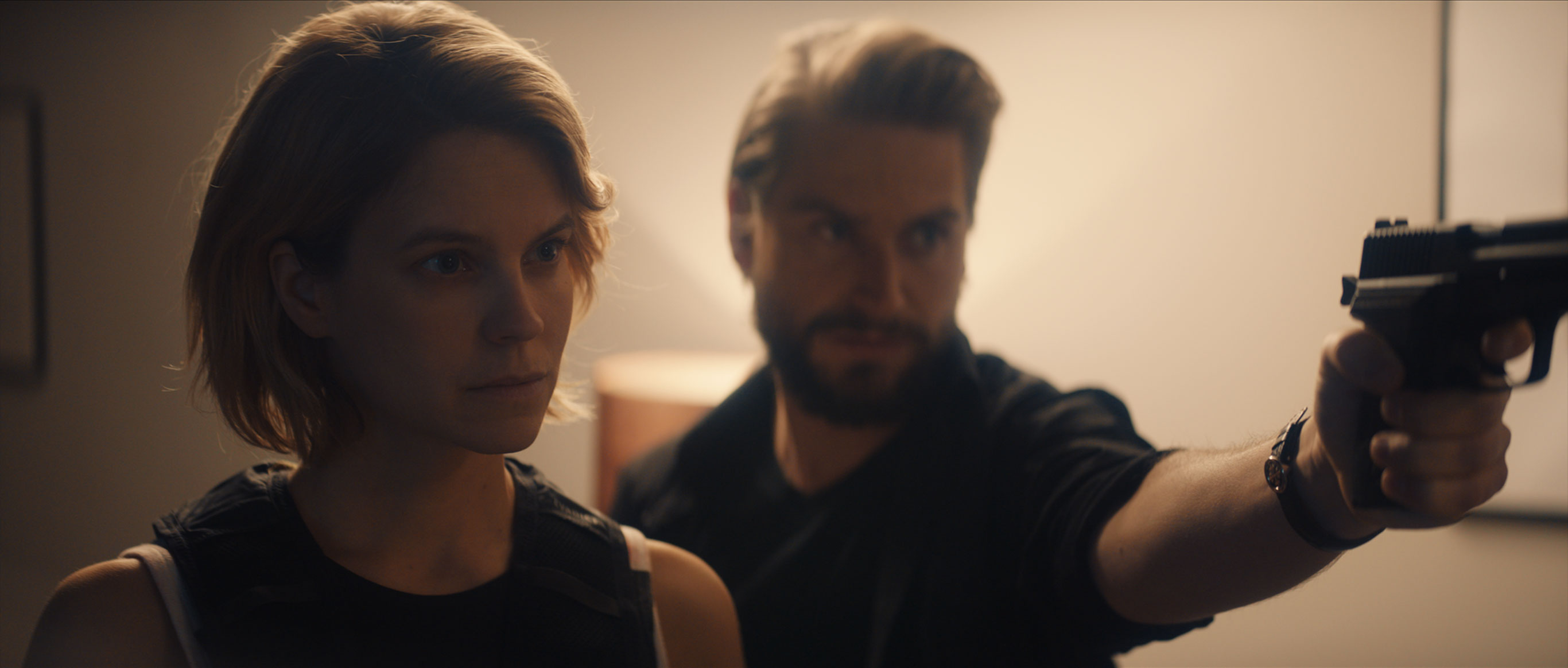
Dropping an Alexa Mini to break the calm
Introduction
A question I ask myself a lot is how to improve upon existing visual storytelling techniques. Unlike other parts of filmmaking the ways in which you can move a camera to convey an emotion without pulling the audience out of the experience are fairly limited. Often I see camera motion as a potent way to help out actors in their performance. Contrasting my movement decisions from one sequence to the next in the same way as an actor does is one way to go about this. But what if you want a character's psychie to flip in one long uninterrupted take?
What are reasons to move the camera?
- Obvious but not irrelevant: To follow the action (or even NOT to follow the action).
- For practical reasons: capturing more movement in one take can reduce your number of setups for better efficiency and any grip will quickly agree that how you move the camera is not to be neglected when it comes to shorter shoot days.
- For dramatic effect.
- Because you can: It might just be the prettier way to go about things.
- And many more...
Table of Contents:
Related Project:

The speciality of handheld
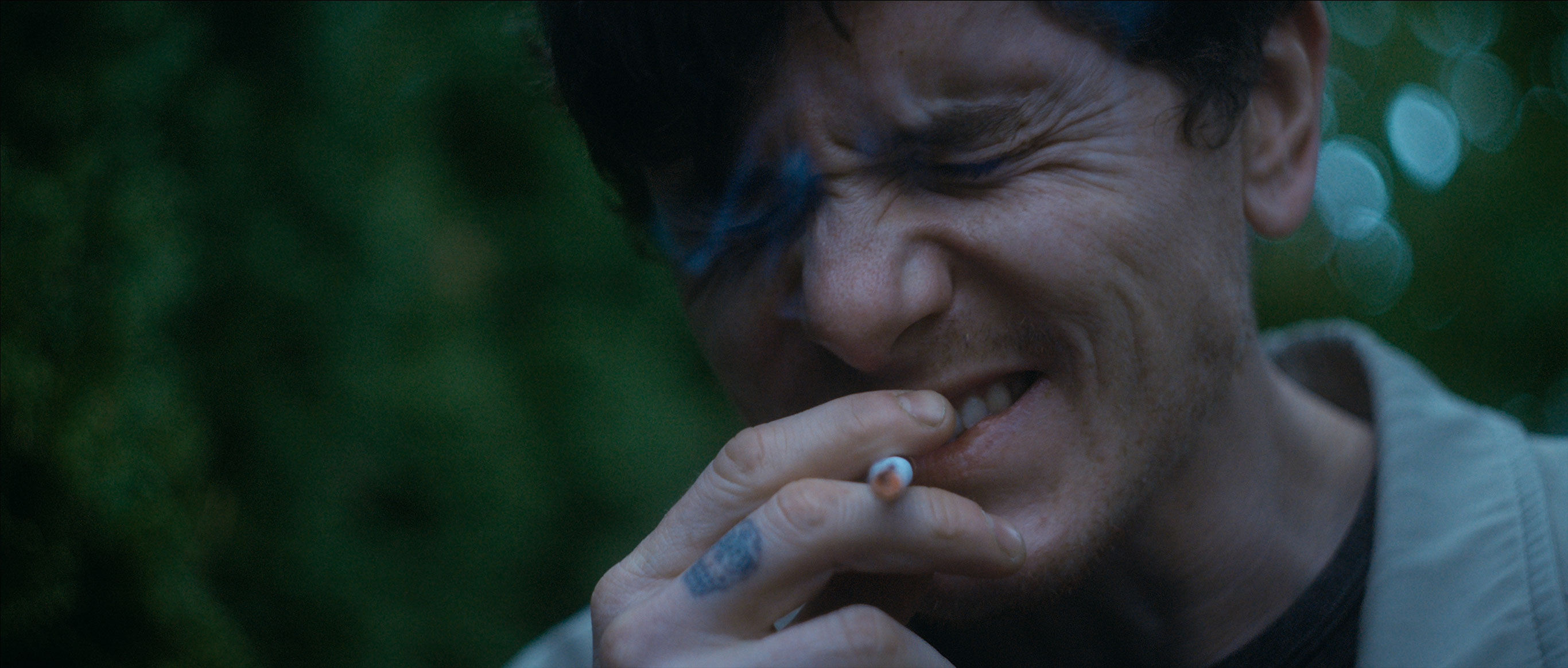
A favorite for many directors, hand operated cameras are not only a convenient way of reducing the footprint of a production but also THE way to pull an audience into a movie by shattering the glass of their static screens with human felt movement. Handheld often also becomes more directed in its approach as simple micro adjustments can redirect the point of view while in static shots or even less direct methods of moving the camera leave a viewer's eye wander the scene more freely by themselves. Needless to say changing between these two techniques runs the risk of feeling quite jarring.
The surprising difficulty of dropping a camera
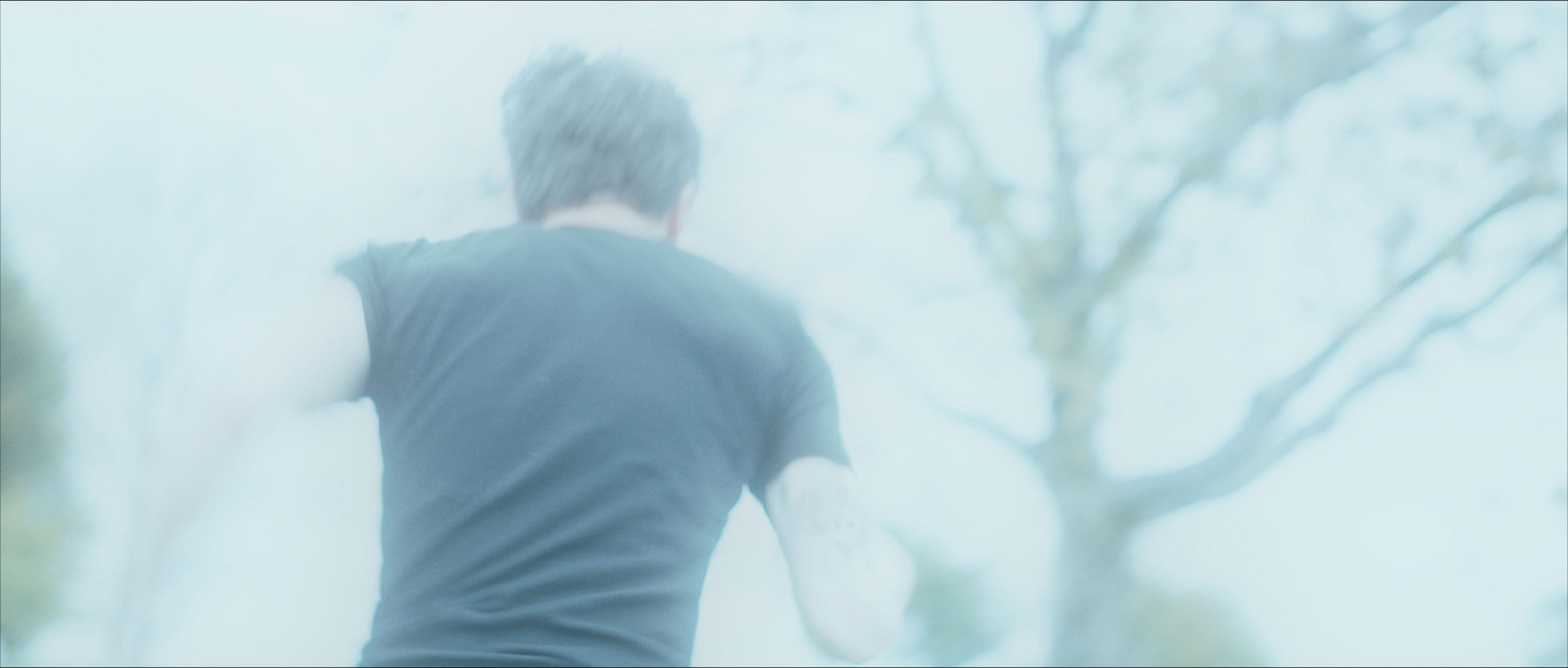
Before we get into why we decided to drop a $70'000 camera we have to talk about the surprising difficulty to actually do so. Our plan was to start in a static framing and then drop the camera into a handheld configuration for the remaining lengt of the shot. For starters not only are most stable camera configurations achieved by mounting the camera form the bottom but obviously these solutions are engineered to specifically prevent a camera from dropping. For this we came up with what we called "the drop rig". Rigged between two ligh stands we mounted a rod with an attached quick-release plate. The rod would allow us to tilt the camera while the whole base needed to be moved to achieve the desired pan position. Before each takes the camera would be secured by a safety strap until the operator was ready below the camera with the hands already on the grips to catch the camera. During the take the director would shoulder-tap a crew member who was ready at the safety latch of the quick-release plate. The operator would then intentionally let the camera fall further than necessary before catching it in our new handheld framing. Certainly, an unusual ask that took a great crew quite a few takes to achieve.
Why would you do that?
From early discussions with the director it was clear that we wanted to contrast the character's panic moments from his otherwise silent desperation through changes in camera movement and platform. First thinking about how to smoothly transition between the stable start of the short to the frantic panicked handheld towards its middle, thinking about the characters experience gave me the answer: There is nothing smooth about the moment of realizing loss but it is a very accentuated moment in time leaving you feeling like the world is falling. Just like this, the idea for the drop rig was born. Even though the drop rig and nimble handheld solution was now proven to work in this short, I would not go on to use the same drop rig again in any of the following productions, not even the handheld rig configuration. And this was not because it did not work, I actually loved the effect on the audience and the extreme edit moments it enabled, but for me, the method never again fit the feel of the world or character. Given this, we employed more subtle shifts between hard mounted and handheld camera solutions in September Babies but the exact line of the script that gave birth to this visual moment never repeated itself.
Other Articles